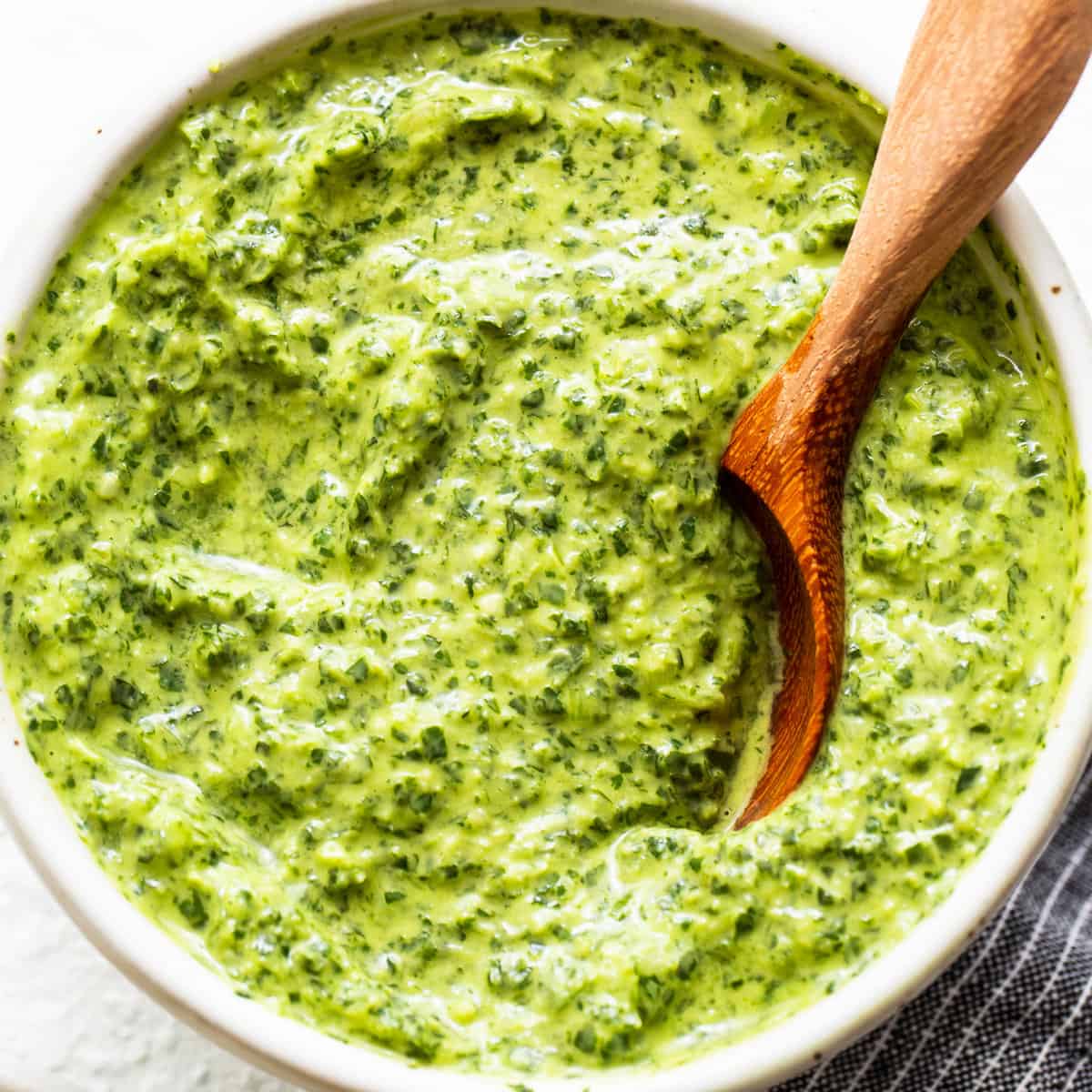
Herby Green Sauce vs. Tomatillo Salsa Verde: Unveiling the Best Green Sauce Recipe for Your Table
In the vibrant world of culinary condiments, green sauces stand out for their freshness, versatility, and ability to elevate almost any dish. But with so many variations, how do you choose the best green sauce recipe for your needs? Today, we're diving deep into two beloved contenders: the creamy, fresh Herby Green Sauce and the tangy, zesty Tomatillo Salsa Verde. While both share the moniker "green sauce," their origins, flavor profiles, and ideal applications are delightfully distinct. Let's explore which one might become your next kitchen staple.
Herby Green Sauce: The All-Purpose Creamy Dream
Imagine a sauce so versatile, so packed with fresh flavor, that you want to put it on literally everything. That's the essence of the Herby Green Sauce. Often described as an all-purpose, creamy condiment, this sauce is a celebration of fresh herbs, brightened by citrus and enriched by a creamy base.
Key Characteristics and Ingredients
At its core, this green sauce is a harmonious blend of:
- Fresh Herbs: The star of the show. Think parsley, cilantro, dill, basil, or chives. The beauty here is the interchangeability; you can customize the herb blend to your preference, making it a truly personal best green sauce recipe.
- Aromatics: Garlic and onion are crucial, providing a pungent, savory depth that grounds the fresh herbs. Don't skimp on these for maximum flavor impact!
- Tang and Brightness: Fresh lemon juice is typically added to cut through the richness and add a zesty pop.
- Creamy Base: This is where the Herby Green Sauce truly differentiates itself. Mayonnaise and Greek yogurt combine to create a thick, luscious texture with a pleasant tang, distinguishing it from thinner, oil-based herb sauces like chimichurri.
- Olive Oil and Salt: Used to achieve the desired consistency and season to perfection. The amount of oil can vary depending on the water content of your herbs.
Flavor Profile and Texture
The flavor is undeniably fresh and vibrant, dominated by the chosen herbs, with a savory garlic-forward undertone. The lemon adds a refreshing zest, while the mayo and yogurt contribute a rich creaminess and a subtle tang. Texturally, it's typically thicker and chunkier than a traditional vinaigrette or even some pestos, making it ideal for spreading, dipping, or generously coating dishes.
Unrivaled Versatility: How to Use Herby Green Sauce
This sauce truly earns its "all-purpose" title. Its applications are boundless:
- Dipping: A fantastic dip for fresh vegetables, pita bread, chips, or crackers.
- Spreading: Elevate sandwiches, wraps, or avocado toast with a generous slather.
- Sauce for Proteins: Drizzle over grilled chicken, steak, fish, or roasted vegetables. It adds an instant burst of freshness.
- Pasta Perfection: Toss with hot or cold pasta for a light, herbaceous pasta sauce, or use it as a dressing for pasta salads, offering a refreshing alternative to heavier creamy dressings.
- Beyond: Stir into scrambled eggs, dollop onto baked potatoes, or even use as a base for a unique salad dressing.
Making this green sauce is straightforward: combine all ingredients in a high-speed food processor, blend until smooth, and adjust consistency with olive oil and seasoning with salt. Its ease of preparation and incredible adaptability make it a strong contender for the best green sauce recipe for everyday use.
Tomatillo Salsa Verde: The Tangy Mexican Staple
Crossing the border, we encounter Tomatillo Salsa Verde, an authentic Mexican green sauce with a distinct character. While "salsa verde" literally translates to "green sauce," in Mexican cuisine, it almost always implies the presence of tomatillos, which provide its signature tangy base.
Key Characteristics and Ingredients
The foundation of any great Tomatillo Salsa Verde includes:
- Tomatillos: These small, green, paper-husked fruits are the star. They offer a unique tart, bright, and slightly earthy flavor that is essential to the salsa. For the best flavor, choose tomatillos with loose husks, indicating ripeness.
- Chili Peppers: Serrano peppers are traditional for their bright heat, though jalapeños are often used for a milder option. The spice level is completely customizable.
- Aromatics: White onion and garlic provide a savory backbone, complementing the tang of the tomatillos.
- Cilantro: Often added at the end for fresh, herbaceous notes.
- Salt and Water: For seasoning and to help blend ingredients.
Flavor Profile and Texture
Tomatillo Salsa Verde boasts a vibrant, tangy, and often spicy flavor. The tomatillos contribute a sour, fresh taste that is unique, while the peppers bring a welcome heat. Depending on the preparation method, it can also have smoky undertones (if roasted). The texture typically ranges from chunky to smooth, and generally thinner than the creamy Herby Green Sauce, allowing it to coat ingredients beautifully.
Diverse Preparations and Culinary Uses
What makes authentic Mexican salsa verde so fascinating is its diverse preparation methods, each yielding a slightly different flavor profile:
- Boiled Salsa Verde: The most common method for a fresh table salsa. Tomatillos and peppers are boiled until soft, then blended with other ingredients.
- Roasted Salsa Verde: Roasting tomatillos, peppers, and sometimes onions and garlic, caramelizes their sugars, imparting a deeper, smokier, and slightly sweeter flavor. This is often preferred for a richer salsa.
- Fresh (Blended) Salsa Verde: All ingredients go raw into the blender or molcajete for an incredibly bright and pungent salsa.
- Fried Tomatillo Salsa: Ingredients are boiled then fried, deepening the flavors.
- Creamy Avocado Salsa Verde: A popular variation that incorporates avocado for a smoother, richer texture without dairy.
The uses for Tomatillo Salsa Verde are deeply rooted in Mexican cuisine:
- Taco Topping: The quintessential topping for countless tacos.
- Enchiladas Verdes: A foundational sauce for this beloved dish.
- Simmering Sauce: Perfect for braising pork or chicken, creating dishes like Puerco en Salsa Verde.
- Breakfast Booster: Excellent with eggs, especially for Chilaquiles Verdes or Huevos Rancheros.
- Dip: A flavorful alternative to red salsa for tortilla chips.
To make the best green sauce recipe of this type, focus on fresh, ripe tomatillos and adjust the serrano peppers to your desired heat level. Its bright, spicy kick makes it an indispensable component of many Mexican dishes.
Herby Green Sauce vs. Tomatillo Salsa Verde: A Direct Comparison
While both are green and undeniably delicious, their differences are what make them shine in distinct culinary contexts.
Here's a quick breakdown:
- Main Base: Herby Green Sauce relies on a blend of fresh leafy herbs; Tomatillo Salsa Verde's foundation is the tangy tomatillo.
- Creaminess: Herby Green Sauce is explicitly creamy due to mayo and Greek yogurt. Tomatillo Salsa Verde is typically dairy-free and thinner, unless avocado is added.
- Flavor Profile: Herby Green Sauce is fresh, bright, savory, and herbaceous with a creamy tang. Tomatillo Salsa Verde is tangy, bright, often spicy, and can be smoky.
- Heat Level: Herby Green Sauce is generally mild, with garlic providing a gentle pungency. Tomatillo Salsa Verde ranges from mild to very spicy, thanks to chili peppers.
- Cultural Origin: Herby Green Sauce has a more global, versatile appeal with no single origin, drawing inspiration from various fresh herb sauces. Tomatillo Salsa Verde is distinctly Mexican.
- Common Uses: Herby Green Sauce excels as a dip, spread, and all-purpose drizzle for diverse cuisines. Tomatillo Salsa Verde is a staple in Mexican dishes, perfect for tacos, enchiladas, and simmering meats.
Choosing Your Champion: Which Green Sauce is Best for YOU?
Ultimately, determining the "best green sauce recipe" isn't about one being superior to the other, but rather about what you're trying to achieve in the kitchen. Both are phenomenal in their own right, serving different purposes and pleasing different palates.
- Opt for Herby Green Sauce if:
- You need an all-purpose dip or spread for a party or meal prep.
- You love creamy textures and fresh, herbaceous flavors.
- You're looking for a versatile condiment to enhance grilled meats, roasted veggies, or pasta without adding significant heat.
- You want to use up an abundance of fresh herbs from your garden.
- Choose Tomatillo Salsa Verde if:
- You're preparing Mexican-inspired dishes like tacos, enchiladas, or chilaquiles.
- You crave a tangy, zesty, and potentially spicy kick.
- You appreciate the unique tartness of tomatillos and their ability to brighten rich dishes.
- You enjoy the depth that comes from roasted ingredients.
For the truly adventurous home cook, there's no reason to pick just one! Both can coexist harmoniously in your refrigerator, ready to transform different meals. The key is to embrace their individual strengths and let them shine where they belong.
Conclusion
From the creamy, herb-packed goodness of an all-purpose Herby Green Sauce to the tangy, spicy zing of authentic Tomatillo Salsa Verde, the world of green condiments offers incredible variety. Each brings its unique heritage and flavor profile to the table, proving that the best green sauce recipe isn't a single answer, but rather the perfect match for your dish and your taste buds. So, whether you're dipping a veggie stick or smothering an enchilada, grab your ingredients, get blending, and discover your own favorite green masterpiece!
